
 Orchid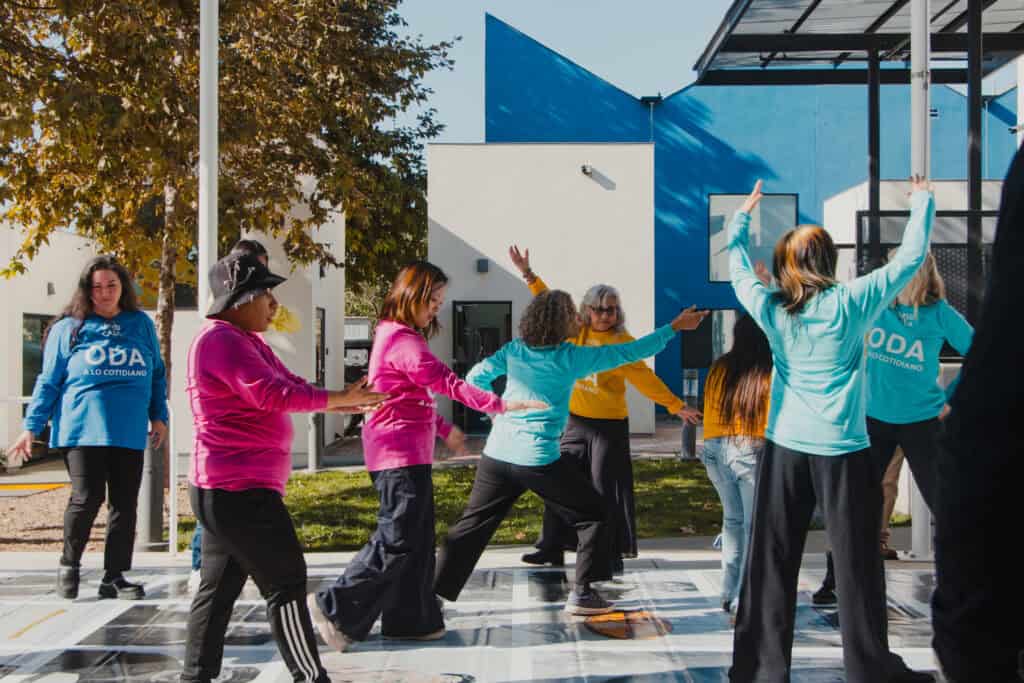
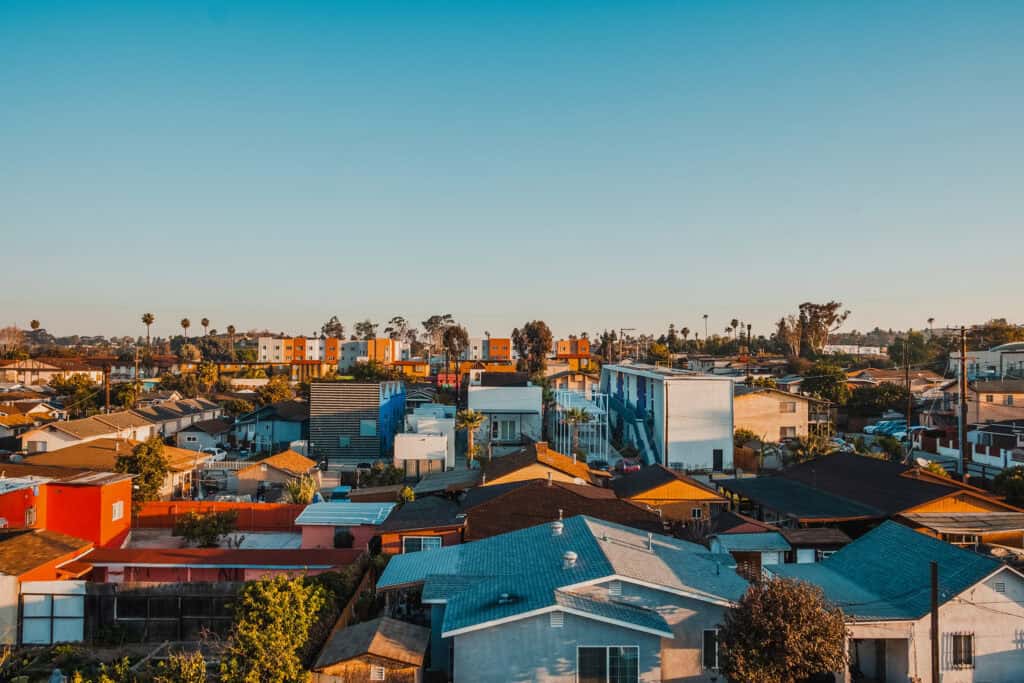
The UCSD Community Stations are an experiment in urban co-development between UC San Diego and grassroots organizations at the margins of our border region. Distributed on both sides of the wall, the UCSD Community Stations are a network of civic spaces in vulnerable border neighborhoods, richly programmed for cross-border dialogue, collaborative research, urban pedagogy, participatory design, and cultural production.
Each station is designed, funded, built and programmed between UCSD and a community-based organization. The Community Stations present a new model of urban co-development in which the economic power of our public university becomes leverage for our community partners to develop their own housing, public space, climate adaptation, conservancy initiatives and vibrant educational and cultural programming designed to increase public knowledge and collective action. We have built four Community Stations, two in San Diego and two in Tijuana.
On the San Diego side, the UCSD-CASA Community Station is the centerpiece of Living Rooms at the Border, an affordable housing pilot project that explores the intersection of social housing and public space, in partnership with the non-profit Casa Familiar, a 30-year-old community-based, social service organization. It is located in the border neighborhood of San Ysidro, site of the busiest land crossing in the Western hemisphere.
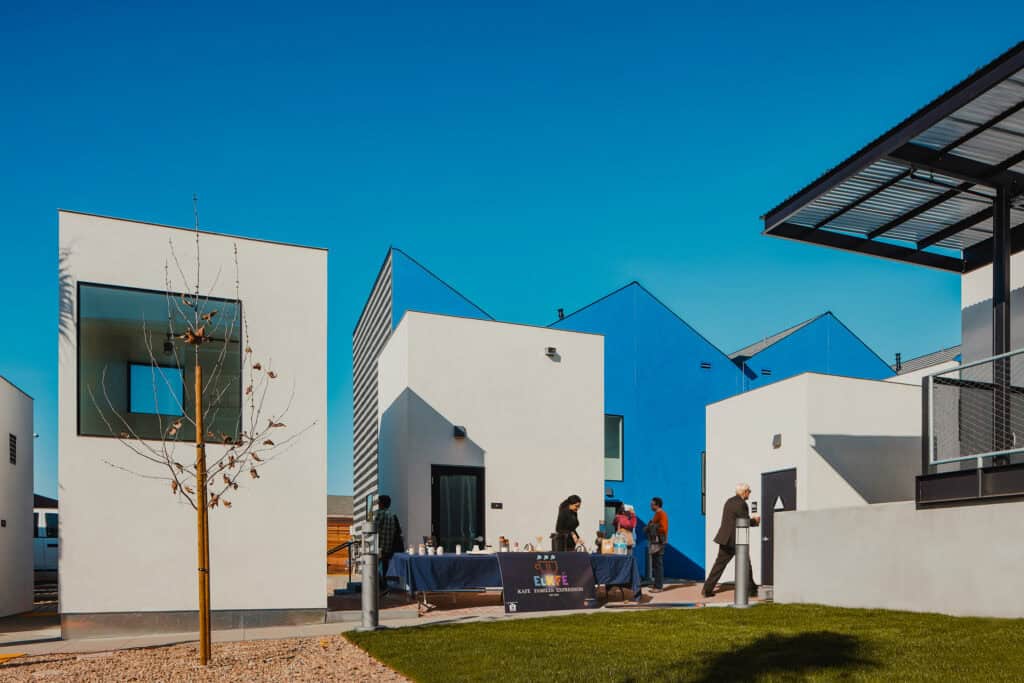
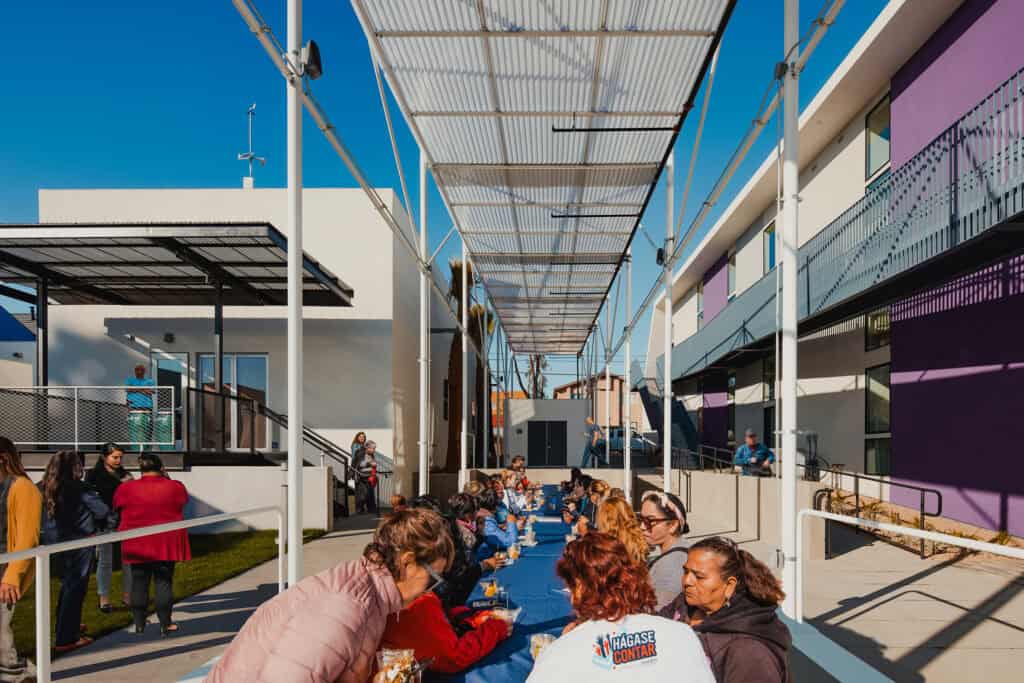
Living Rooms at the Border with the CASA Community Station began with the adaptive re-use of a beloved historic church, that sat for decades in disrepair, and which we were able to rescue through this project. With the renovation of this historic building in the heart of a small lot, we choreographed a neighborhood-based framework to hybridize public space and housing. We renovated the church into a community theater with an outdoor stage, flanked on one side by a series of small accessory buildings for social programming, and on the other side by an open-air civic pavilion. This social, educational and cultural infrastructure anchors 10 units of affordable housing, a 6 plex and a 4 plex, at both ends of the parcel, all mediated by pedestrian walkways.
What is distinctive about all of our Community Stations is that once we build the physical spaces we also curate coalitions of knowledge to co-produce the programming that activates them. This includes cultural processes that translate lived experiences into public dialogue and increased community capacity. We convene local artists, activists, and neighborhood youth to collaborate with university curators, playwrites, poets and visual artists, and produce performances that explore urgent issues impacting the community, and are enacted by the residents themselves in community theaters or civic pavilions. These cultural productions are rooted in neighborhood stories and become bottom-up evidence to increase public knowledge and transform policy.
The main idea here is that Affordable Housing takes on a different meaning when it is threaded into spaces for social programming, summoning residents to participate in the development of local economy and cultural production.